Posted by: QQmei | April 6, 2012

Yvoone’s animation for children in ChengLong

Yvoone, the 2012 artist, sent us more her introduction about FOOD. Also, she made a short animation flim for ChengLong Children. Please have a look!

我雖然出生高雄市,但是高中畢業之後就到外地念書。在台北的時期會到處外食, 特別是去夜市吃晚餐。在台南念研究所時期,愛上台灣小吃,當然也常去夜市吃東西囉!而目前我的飲食習慣偏向西式簡餐,例如:麵包+花茶 / 熱咖啡,是我最常飲食的方式。我也很愛對著食物素描或是拍照,哈~我相信有很多女生也跟我一樣喔~

Although I was born in Kaohsiung city, I studied in other city after senior high school. I went out for meals when I studied in Taipei especially having dinner in night market. When I studied in Tainan, I felt in love withTaiwanlocal food and went to night market more often. Now I like to have western food, such as bread and hot tea / hot coffee. I like to take photos or sketch when I eat. I think many girls just like me and did what I did when they drink

Posted by: QQmei | March 29, 2012

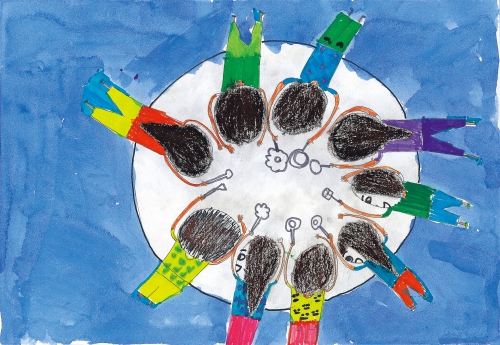
The invitation card / poster for the 2012 art project

The picture on the invitation card was drawn by children in ChengLong. You can see more children’s painting for the topic “What’s for Dinner” here: http://wetlandcenter.blogspot.com/2012/03/blog-post_11.html

Posted by: QQmei | March 27, 2012

Hello from Prashant to children

Namaste Children….My name is Prashant and I’m fromIndia. I live in Mumbai but I was born in a place called Latur which is one night journey by train from Mumbai. My family stays there and I stay in Mumbai with my friends. In my village I grew up among nature. My friend list included cows, birds, snails, ants….all of them were my friends. I love nature and I work to protect them and I know you all will also protect Nature.
各位小朋友好(Namaste 是印度的問候語),我的名字叫Prashant,我來自印度。我現在住在孟買,但是我出生在拉圖,從孟買到拉圖要坐一個晚上的夜車。我的家人仍住在拉圖,但是我和幾個朋友一起住在孟買。我的村子被自然環繞,我的朋友們包括了牛、鳥、蝸牛、螞蟻……等等。我喜歡大自然,我也致力於保護大自然,我相信你們大家也會一起保護大自然。

Now let me tell you aboutIndia.Indiais country with a diverse culture. There are hundreds of languages spoken inIndiaand differs from region to region. Indians love spicy food and love very sweet food too!! The food also changes with region to region. So if you live near the coastal area, you would be eating lots of fish and if you live in place where coconut is grown in abundance, most of the dishes will have coconut. So one part ofIndiawill use coconut for making curry another part ofIndiawill use it for dessert. So if the food is spicy we say its Teekha and if it is sweet we say its Meetha. So like food and language, lots of things change from one place to another. It is like a big carpet with lots of color where every thread represents a region ofIndia.
現在讓我來和你們說說印度。印度是一個有著多元文化的國家,在印度有超過一百多種的語言,每個地區都有每個地區的方言。印度人很喜歡香料食物,而且也很愛甜食!每個地區的食物也很不同,假如你住在離海較近的地方,你會吃到很多魚;如果你住在有很多椰子樹的地方,許多的料理都會加入椰子。在印度有些地方用椰子來作咖哩;有些地方用椰子來做甜點。假如那道食物是加了香料的,我們稱作Teekha;假如是甜的,叫作Meetha。就好像食物和語言一樣,許多事物換了一個地方就變得不一樣了;印度好似一張交織著各種顏色的地毯,每個地區都貢獻了一種顏色。

Turban is a traditional head-wear which is usually worn in ancient India. Nowadays is it seen in villages mostly worn by farmers. But it is also commonly worn in festivals like weddings, religious function etc. During weddings, turbans are worn in cities also and it a sign of respect.
在古老的印度,在頭上纏繞頭巾是一種傳統,現在大多是鄉下的農夫才有在綁頭巾。但是,在重要的慶典上,例如結婚或宗教儀式,綁頭巾也很常見。如果是婚禮,不分城市或鄉下,大家都會綁頭巾,那是一種禮貌。

I will teach the children to wear turbans and make them wear it along with me while working with me. I’m also attaching a photo of me and my friends during a wedding so that the children will have an idea.
當我到成龍去和小朋友一起工作時,我也會教大家綁頭巾。為了讓大家有點概念,隨信附上一張我和朋友在一個婚禮上綁頭巾的照片給大家參考。

Posted by: QQmei | March 27, 2012

Hello from Yenting to children

Yenting lives in Taipei, a northern city in Taiwan. There’re about 6,800,000 people in Taipei area (including Taipei city, New Taipei city and Keelung city), and it’s 30% people of Taiwan. Taipei is a basin, so most of time it’s humid and muggy. Taipei is busy and crowd.
雁婷住在台北,是一個北部的城市,整個大台北都會區,包括台北市、新北市和基隆市總共有680萬人左右,光是大台北就佔了台灣百分之三十的人口。台北是個盆地,像盆子一樣的地形,所以大部份時候潮濕、很悶。台北很熱鬧,但也很擁擠。

Another, Taipei is very convenient, but too convenient that many convenient stores. Many people are too busy to cook, so just buy and eat in a convenient store instead of cooking with fresh food. I was not grown up like this, because my grandma or mother went to traditional market to buy fresh materials for cooking for family everyday. But when I started to work, sometimes when I am too busy or lazy, I also buy food from convenient stores, even I know it’s not healthy.
另外,台北很方便,但太方便了,便利商店很多,所以很多忙碌的人平時就乾脆吃便利商店的食物,而不是煮食新鮮食材。我不是這樣長大的,從小奶奶或媽媽每天早上都會到傳統市場買菜煮飯給我和妹妹吃,每天都可以吃到新鮮的食物。但長大開始工作後,有時候在外面太忙了,也會到便利商店隨便吃吃,可是我知道那樣並不健康。

One day I met a guy like a fortune-teller who said to me: “Don’t eat outside too often, those are like kitchen wastes. Just cook by yourself!” I don’t why he said that, but food as energy for everyday life, and to eat fresh and delicious food could feel especially satisfied. This is really too important! Therefore, I expect meals made from fresh materials during this stay in Yunlin very much!
有一次在路上遇到一個像算命仙一樣的人,看著我說:「不要老是買外面的東西吃,外面的東西都是廚餘,自己多煮吧。」不知道他為什麼那樣說,但食物是每天的能量,吃到好吃的東西也會特別滿足,這確實太重要了。所以,這次到雲林很期待新鮮的食材調理出來的三餐!

I graduated from Journalism Department in National Chengchi Univ., and got M.A in Art Administration and Management Department of National Taipei University of Arts. I started my sound work more than three years ago, and I would take my recorder to record sounds in our lives everywhere, and then edit sounds into a new piece. This work sounds unrelated to my studies, but thinkings I learned in my school still affect me much. Why and how? Besides, what is sound work? I’ll tell you more when we meet!
我畢業於政治大學新聞系、臺北藝術大學藝術行政與管理研究所,三年多前開始從事聲音工作,會拿著錄音機到處錄音,錄下生活中的各種聲音,然後再用這些聲音重新剪輯成一個作品。這工作聽起來和我讀的科系沒什麼關係,但在學校學的思考方式還是深深影響著我,至於為什麼?還有,聲音工作是什麼?等我們認識時再好好聊吧!

Posted by: QQmei | March 27, 2012

Hello from Yvoone to children

Yvonne was born in Kaohsiung, it is a city located in southwestern Taiwan, Kaohsiung is the second largest city inTaiwan, with a population around 2.9 million. It is a center for manufacturing, refining, shipbuilding, and other light and heavy industries.
我是禹鳳,出生於南台灣的第二大都市:高雄市,都市人口約290萬人,是製造業、代工業、造船業以及其他輕、重工業的重鎮。

Kaohsiung International Airport is the second largest airport in Taiwan. The Port of Kaohsiung is the largest harbor in Taiwan. Taiwan High Speed Rail connects the city with Taipei City. Kaohsiung was the host city of the 2009 Word Games, a multisport event primarily composed of sports not featured in the Olympic Games.
我們高雄有一個國際機場在台灣是第二大機場,高雄港也是台灣最大的港口,台灣高鐵連接台北高雄等都市,讓現在的高雄交通非常便利,因為以上這些條件讓高雄可以在2009年獲選為舉辦世運的城市,讓原本以製造工業文明的高雄成為諸多運動聚集的城市,聽障奧運就是另一個舉辦盛會。

I love convenient Kaoshiung now and traditionalKaohsiungin my childhood. I lived in country side inKaohsiungcounty. People are friendly and we do not have many chance to visitKaohsiungcity center. Many families take children to city during Chinese new year because only city center has tall department store and shopping market. In summer time we go swimming very often in country. Another special experience is typhoons come toSouthern Taiwan. Students can have holiday but parents become very busy. There are waters everywhere because our house is small, not tall, that’s our common experience inKaohsiungcounty.
我喜歡現在很便利的高雄市,也喜歡過去童年那個很傳統的高雄。我住在高雄縣鄉下〈仁武鄉〉,人們很友善,當時我們沒有很多機會可以進都市去,很多家庭都是在農曆年期間帶孩子到高雄市中心,因為這裡有百貨公司還有可以逛街的市場。夏天時期我們常去游泳,我們另一個特殊的經驗是夏天遭遇颱風來襲的時候,因為屋子很小又不高因此到處都進水,這也是一班高雄縣居民很普遍的經驗。

Although I was born inKaohsiung, I studied in other city. I studied Motion-Pictures (movies production) inTaipeiand major in animation art inTainan. I love drawing and various materials / forms Art making, I love making new friends, travel and freedom.
我雖然出生高雄,但是都在其他城市求學。我在台北學習電影製作,在台南專攻動畫創作,曾於大學任教教授基礎動畫,我非常喜愛繪畫與各種材料/形式的創作,喜歡交朋友、旅行,熱愛自由!

ps. 禹鳳姐姐有在她的部落格寫了一封信給成龍國小的小朋友喔!!大家趕快去看看~
http://tw.myblog.yahoo.com/jw!uSkCd0WLBhjwIG5lo4Kf/article?mid=3617&prev=3626&next=3613

Posted by: QQmei | March 21, 2012

2012 志工獲選名單 Selected Volunteers

Sorry~Sorry~ 好像有點給他拖到有點晚了,實在是今日大偵探剛好外務太多(之前還一直記錯想說是3/22才要公告哩!),一下要去找這位大哥,一下要去找那位阿伯,一下談著藝術家的事,忽兒話鋒一轉又變成魚塭……哎喲喂呀~我們真的好需要志工來幫忙喔!

話說今年的志工報名,再度讓大偵探面臨難以割捨的情境(電風扇都搬出來了~),大家怎麼都這麼優秀呀!有不少在海外仍在工作或打工度假的人,想要趕在四月初回國,馬上再來參加我們成龍溼地「本土的」工作假期;還有不少雲林或口湖鄉附近的在地人,也告訴我們想要來幫忙,讓大偵探聽了好感動喔!有人還說,不論有沒有錄取,家裡有用不到的鍋碗飄盆,以及塑膠袋,都幫我們準備好了,找時間還是要幫我們送過來!還有第二屆的吳了大哥,人不在台灣,卻慷慨地要把車子借給我們使用,這…….讓大偵探在此,僅能以深深地一鞠躬,感謝大家的幫忙啊!

要感謝的話語,還有好多好多,先公佈錄取名單:

陳婉寧 
潘維伶
劉偉申
鄭幸宜
呂琬婷
吳佩頎
陀潔甯
楊志雅

另外,感謝椬梧的雨霞答應全程支援、歡迎台子的雅穗周末一起來參與、水林的媳婦錦珠老師隨時來當救火隊(也許我們周末就會見面了,是嗎?),還有虎科大的珮綺,記得下課後騎車過來要小心(星期一二或許可以搭第一屆志工派大馨的便車來),有空隨時來參一腳!

實在非常非常抱歉,受限於目前可以固定支援的車輛有限,我們無法錄取更多的志工,但真誠地歡迎各位朋友,有空來給我們探班,並且隨時上這個部落格,了解我們的最新動態。

大偵探,深深一鞠躬!

敬祝大家   晚安 好夢

Posted by: QQmei | March 21, 2012

Trying the new function …

(Trying the new function of WordPress)

Please do come back later, we will announce the selected volunteers late this evening. we still need time to figure out the best team for the 2012 project…….( too many good applicants for me to make the final decision… QQmei )

Posted by: QQmei | March 21, 2012

Hello from Markus and Madoka to children

Me and seafood . 我和海鮮   / Markus
My name is Markus and I was born in Switzerland, a landlocked country in the middle of Europe. Because my home country is far away from the ocean, the only seafood I tasted as a child was frozen fish sticks (fish fingers) that have this yummy batter and are deep-fried.
我的名字是Markus,我出生在瑞士,這是一個位在歐洲中間沒有鄰海的國家。因為我的國家離海很遠,所以我小時候唯一吃過的海鮮是用美味魚漿作成、酥炸過的冷凍魚條。

In my family we usually we ate fish every week on Friday, because that’s when Christian people (Protestants) are supposed not to eat any meat… Except for some fresh water fish (Switzerland has many rivers and lakes) which are usually eaten in cooked or fried form – and arranged with mayonnaise, butter sauce, slices lemons and rosemary herbs – seafood isn’t a big thing. I remember when I was about 10 years old and encountered for the first time octopus rings in a Spanish dish (called Paella) and mistook them for rubber rings…
我們家通常在星期五時會吃魚,因為基督徒(新教徒)有戒肉食的紀律,但是吃淡水魚是被允許的(瑞士有許多河流和湖泊),通常魚要被煮過或炸過—再配上美乃滋、奶油、檸檬切片和迷迭香—料理海鮮是小事一樁。我還記得我大約十歲的時候第一次在西班牙料理(海鮮飯)中見到章魚圈,還誤以為是吃到橡皮圈呢!

Paella 西班牙海鮮飯

Swiss people live in the middle of many hills and mountains with lush meadows and grasses, they raise many cows, sheep and goats to make delicious milk, yoghurt, butter and – of course – CHEESE! Every little valley, every little mountain produces its own kind of cheese: soft, semi-hard, hard, nutty, smoked, tardy, even moldy (blue cheese type).
瑞土人大多住在有著豐美草皮及牧草的小山丘及山腰上,他們養乳牛、綿羊、山羊來生產美味的牛奶、優格、奶油,當然還有—-起司!每個小小的山谷、山嶺間,都有自己獨特的起司:有軟質的、半硬質的、硬質的、堅果風味、煙燻味、甚至帶著霉味的藍起司。

You go to an ordinary supermarket in Switzerland and can chose from at least 30 types of different cheeses. That’s where Swiss people get their protein. And the good thing is that the cows in Switzerland help make the landscape high in the Alps beautiful and useful because farmers can’t grow anything up there except fine herbs and nutritious grasses.
如果你去瑞士的傳統超市,至少可以看到30種不同的起司同時陳列在架上,這是瑞士人攝取蛋白質的來源。另外,養牛的另一個好處是,牠們點綴在高聳的阿爾卑斯山上,讓地景變漂亮了,這也讓原來不能種植蔬果,只能生長藥草及豐美青草的山坡地多了附加的價值。

Love of Fish . 魚之愛 / Madoka

We Japanese love fish and I am one of the them. What I like most is the Japanese way of preparing and cooking seafood.Even if you don’t like to eat fish in Sashimi-style (fresh and raw), you might find it tasty simply roasted with a little bit of salt or Tempura (deeply fried in batter), or Mirin-boshi (dried with sweet rice wine, roasted lightly to serve). 
我們日本人很愛吃魚,我也是其中之一,我最喜歡日式料理及烹調海鮮的方式。也許你不喜歡生魚片,但或許你會喜歡加了一點鹽的燒烤,或是炸甜不辣的吃法,亦或是燒烤味醂魚干。

Since not all fish dishes taste subtle in your mouth, we have other ways to cook them like Kamaboko (fish cake sausage) pasted on a piece of wood and steamed.You can find them in a various shapes and decorative cuts, but they are the same tasty Kamaboko sausage.
因為並不是所有的魚料理都合你的味口,所以我們還有其他的烹煮方式,例如魚板,就是將魚漿裹在木片上拿去蒸。你可以看到各種不同形狀和被裝飾成不同造型的魚板,但他們吃起來都一樣。

Do you like Octopus by the way? We like them as snack food, because its delicious when put into an Octopus ball ( Takoyaki ) made from batter and chopped octopus, seasoned with spicy, savory sauce! Besides buying them at the shop, you can make Takoyaki yourself with a special frying pan. We do Takoyaki parties around this pan, and enjoy preparing them with various ingredients that are mixed into in the batter.
順道一提,你喜歡章魚燒嗎?我們把把章魚燒當點心,用麵粉糊加上章魚塊,放入章魚球造型的鐵板裡燒烤,最後再塗上各種風味的醬汁,就是美味的章魚燒了!你除了可以在店家買到章魚燒外,也可以用一種特製的平底鍋,在家自製章魚燒。我們會圍著這種特製的平底鍋舉辦章魚燒派對,並開心地準備要放進麵粉糊裡的材料。

I have shown you some fish dishes in different shapes which does not look like fish… we have the opposite too. In the following images, can you find patterns of fishes in these Japanese sweets made from jelly, sweet bean paste, and rice cakes?
在看過了一些沒有魚形的魚料理後,我也想要讓大家看看有魚的造形,但是卻不是魚的料理。以下這幾張照片都是日本的甜點,有的是果凍、有的是甜豆餡或米食,有沒有看到許多魚呀?

They are served for tea time usually with green tea and also in the formal Japanese tea ceremony.
這些是茶點,通常都是搭配綠茶吃,或是在正式的日本茶會上享用。

Hope you can enjoy these treats someday by yourselve!
希望有一天你們也可以享用到這些美食。

Posted by: QQmei | March 20, 2012

Hello from Janet to children

I am Janet Ranson fromSouth Africa. I live in Cape Town, a city in the far south of Africa, where you can find a colorful mixture of many different kinds of people, cultures, languages, religions, clothes, handcrafts  – and of course food.  We have many different cooking styles, from pies, cakes and baked dishes to hamburgers, fish and chips, spicy stews and ‘pap’ (sticky white maize). 
我是來自南非的Janet Ranson。我住在開普敦,這是一個位在非洲很南邊的城市,在這裡你可以看到非常多元的人種、文化、語言、宗教、服飾、手工藝……等等,當然還有食物。我們有非常多不同的料理方式,從派、蛋糕等各種烘焙餐點,到漢堡、炸魚和薯條、各種香料燉菜到「Pap」(煮得糊糊的白色的玉米粥),應有盡有。

We are in the Southern Hemisphere, so our seasons are opposite toTaiwan. We are just beginning our autumn season after a long, hot summer. The climate nearCape Townis good for growing wheat, grapes and other fruit. So we export fruit and wine all over the world.  We can buy many kinds of meat, fish, milk and dairy produce at the local supermarkets. I also have my own little garden at home where I like to grow spinach, tomatoes, marrows and pumpkins. 
我們位在南半球,所以季節和台灣是顛倒的;我們才剛從漫長酷熱的夏天,進入到秋天。在開普敦這裡的氣候很適合 種小麥、葡萄和各種水果,所以我們出口水果和酒到世界各地。我們可以在超級市場裡買到各種肉類、魚、牛奶和乳製品。我自己家裡有個小菜園,我喜歡種菠菜、蕃茄、葫蘆瓜和南瓜。

In the summer it’s really nice to go walking in the mountains and have a picnic. South Africans love to be outdoors, and our kind of party is a ‘braai’ or barbeque, with ‘wors’(sausage) and lamb chops cooked on an open fire.  This is often followed by a fruit salad – my personal favorite kind of food.
在夏天,去山裡走走和野餐,真的很棒!南非人很愛戶外活動,我們會舉辦烤肉派對(南非人把燒烤BBQ稱作braai),在營火上烤香腸和羊排,而這些總是會在一盤水果沙拉之後—這是我個人的最愛。

When I’m walking of course I also like to draw the plants, birds and animals I see. ( I’ve attached a sketch of a sunbird.) These bright little birds have long beaks to suck nectar from flowers.  Every different kind of bird specializes in eating certain things. The plants grow bright flowers to attract birds and insects, and these little creatures pollinate the flowers in return. In nature there is a complicated web of interdependence: each different plant or animal relies on all the others.
當我在山裡漫步時,我也喜歡將我看到的植物、鳥和動物畫下來(隨信附上一張我畫的太陽鳥)。這種顏色亮麗小小的鳥兒有著長長的嘴喙,以幫助牠可以吸取到花蜜。不同的鳥類各自有其特定的食物;而植物也用鮮豔的花朵來吸引鳥類和昆蟲,然後這些小生物藉著幫助花朵授粉作為回報。在大自然裡有一張複雜的網絡記載著所有生物相互依存的關係:每一種不同的植物或動物都依賴著其他植物或動物。

ps. Here are some photos of children in South Africa that Janet Ranson is working with now on a project about art with recycled materials.
圖為現在Janet在南非和小朋友正進行中的一個藝術課程,使用的是回收材料.

Posted by: QQmei | March 19, 2012

Hello from Isabelle to children

Isabelle grew up in a small village in Northern France, and moved toBostonin 1984. In 2002, she moved toNew York Cityto study sculpture at the New York Academy of Art, and decided to stay.
Isabelle成長於法國北部的小村莊,她在17歲的時候,搬到美國的波斯頓居住。2002年時她搬到紐約,在紐約美術學院攻讀雕塑,然後就決定住在紐約了。 

New York Cityhas 5 boroughs:Manhattan, Queens, the Bronx, Brooklyn andStaten Island. Isabelle lives inBrooklyn, in a neighborhood called Bay Ridge.New York Cityis an immigrant city and is very diverse: almost 36% of the people were born outside of the United Stated, and as many as 800 languages are spoken there. It is very densely populated and apartments tend to be very small… so people eat out a lot! There are many restaurants: from fine dining to street vendors, who sell anything from hot dogs to falafel sandwiches.
紐約市分成五大區:曼哈頓區、皇后區、布朗克斯區、布魯克林區,以及史泰登島區。Isabelle住在布魯克林區的「灣脊」(Bay Ridge)附近。紐約是個外來移民很多、多樣性很高的城市:大概有36%的居民都不是出生在美國,估計約有800種語言在紐約市裡被使用。這裡的人口很密集,公寓住宅的房間相對也較小….所以,大家也都傾向於外食!這裡有式各樣的餐廳:從高級的料理到街上叫賣熱狗、沙拉三明治的小販應有盡有。 

Isabelle makes all her art with plastic bags: she draws on plastic, sculpts with it, and also makes large outdoor installations. Last year, she completed Knit for Trees on Governors Island inNew York City, and Forces of Nature for the Carving Studio andSculptureCenterinVermont. Both projects used plastic bags as yarn, which were then knitted and fitted around trees.
Isabelle的創作全部都使用塑膠袋:她在塑膠袋上畫圖、用塑膠袋作造形、甚至用塑膠袋製作大型的戶外裝置藝術。去年,她完成了「為大樹編織」的藝術計畫,這些大樹位在紐約市的總督島(Governors Island)以及佛蒙特州的一個由自然力量組織所屬的雕刻及雕塑中心,在這二個地方的創作都是使用塑膠袋作為線材,然後像打毛線衣一樣,幫大樹們穿上衣服。
 

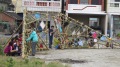
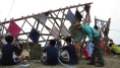
In Cheng-Long, Isabelle will work with the children and the community for the project Invasive Species. Plastic bags will be collected and cut, and will then be crocheted in the shape of vine leaves. The leaves will be attached to fishing nets and wrapped around a building, so the vines will look like they are taking over the structure.
在成龍村裡,Isabelle將要和成龍國小的小朋友及社區居民一起完成的作品名為「外來種」。要完成這件作品首先需要收集塑膠袋、裁剪塑膠袋,然後用鉤針鉤出許多像藤蔓的葉子。這些葉子之後會再被想辦法附著在魚網上,然後再裝置到建築物上,看起來就好像建築物被藤蔓占領覆蓋了。 

Isabelle has never traveled toAsia, and she is looking forward to eating the food there!
Isabelle從來沒到過亞洲,她很期待來成龍嚐嚐亞洲的食物。

ps. If you want to know more about how to use plastic bags to crochet, please check the link below: 
如果你想要先睹為快Isabelle是如何利用塑膠袋作編織, 可以參見這裡她特別為成龍小朋友拍攝的教學影片:

http://knitfortrees.blogspot.com/2012/02/chen-long-tutorials.html

« Newer Posts - Older Posts »

Categories

Follow

Get every new post delivered to your Inbox.

Join 46 other followers